AI Writer for Academic Writing
Explore how AI writing tools can support academic writing, including their benefits, limitations, ethical considerations, practical use cases, popular tools, and recommended best practices.



Explore how AI writing tools can support academic writing, including their benefits, limitations, ethical considerations, practical use cases, popular tools, and recommended best practices.
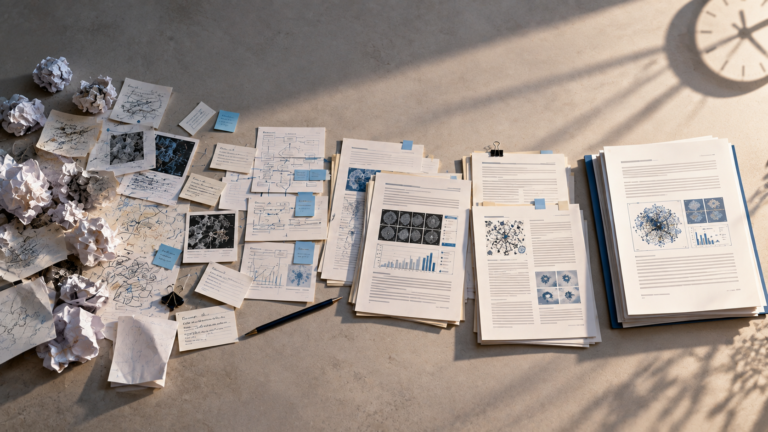
Learn practical strategies for understanding assignments, managing time, researching effectively, developing a thesis, organizing ideas, writing, editing, formatting, and submitting stronger academic work.

Explore the differences between inter and intra writing, their techniques, benefits, challenges, and how balancing external perspectives with personal expression can strengthen your content.
Professor Peter Walter discusses grant writing, cover letters, scientific publishing, impact factors, peer review, and how researchers can write clearer and more effective scientific papers.
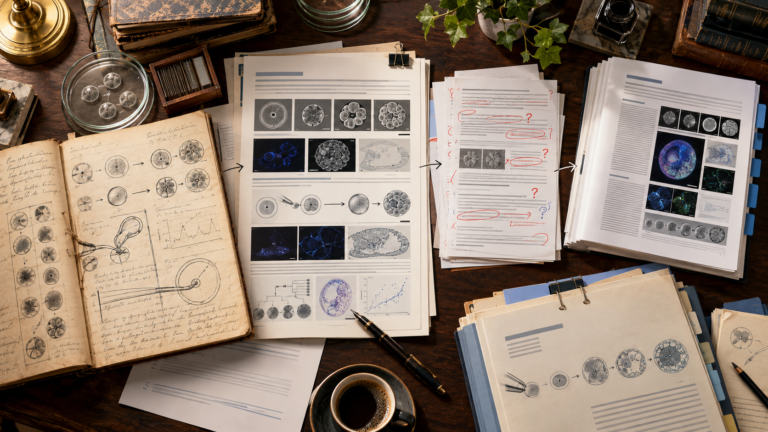
Professor John Gurdon discusses scientific writing, grant proposals, perseverance in research, exemplary papers, and how he responded to criticism throughout his scientific career.
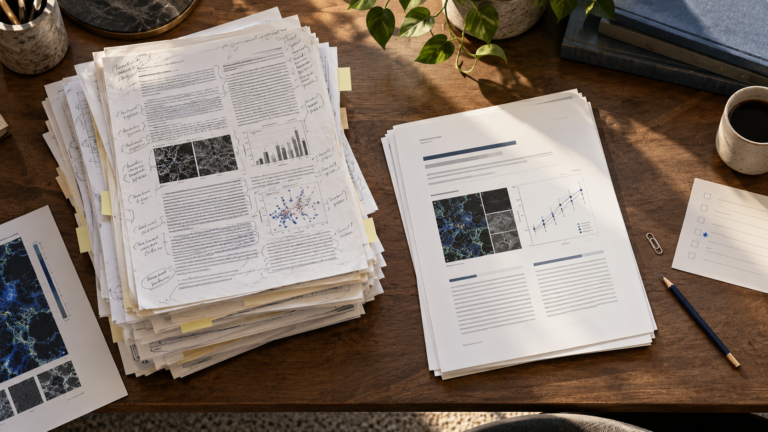
Professor Melissa Moore discusses grant writing, scientific manuscripts, reading aloud, mentoring students, journal impact, research quality, and practical strategies for clearer scientific communication.
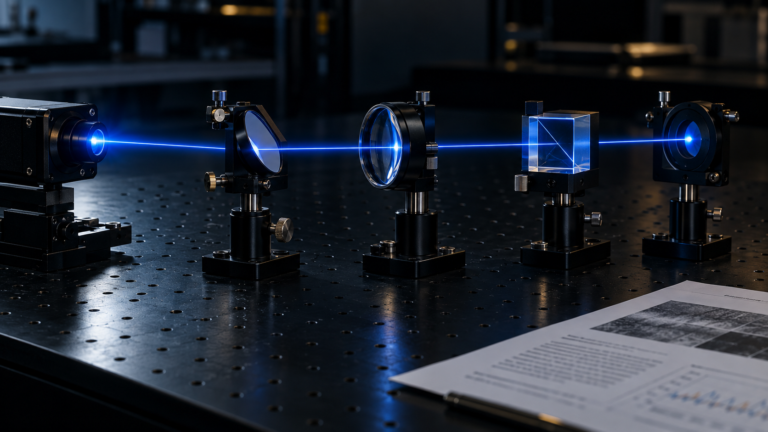
Professor Steven Chu discusses logical scientific writing, grant proposals, reproducibility, communication with non-specialists, and how clear structure helps researchers explain complex ideas effectively.

Professor Patrice Codogno discusses scientific writing, manuscript structure, abstracts, peer review, communication with editors, journal selection, impact factors, and developing an individual writing process.
Professor Ada Yonath discusses scientific writing, rejection, open-access publishing, manuscript development, cover letters, abstracts, and the importance of sharing scientific knowledge.
Professor Aaron Ciechanover discusses how he teaches scientific writing, approaches grant proposals, evaluates exemplary papers, and views mentorship as a central element of success in science.